List of Cities With Supertalls
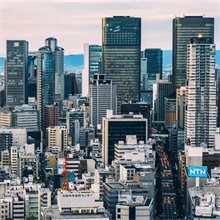
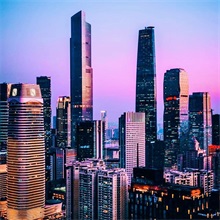
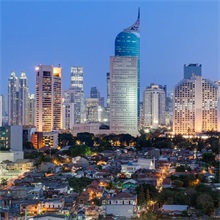
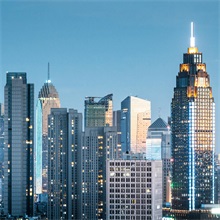
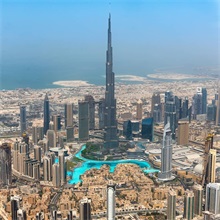
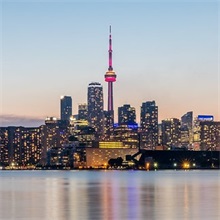
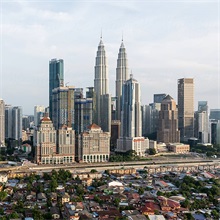
In the past, skyscrapers, especially supertall towers, were rarely seen in most cities and were largely limited to American cities and a few Asian cities. Today, however, skyscrapers are rising all around the world, regardless of a city's population size or economic scale.
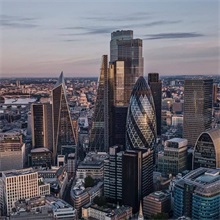
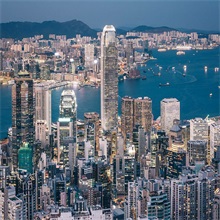
These buildings add distinctive landmarks to urban skylines and significantly enhance cityscapes. Many skyscrapers have become popular tourist destinations thanks to their observation decks, and some host light shows or fireworks displays. In many ways, skyscrapers symbolize a city's strength and global presence. Nearly every well-known city has its own iconic towers, such as New York City, London, Hong Kong, and Paris. In short, skyscrapers have become an indispensable part of modern cities.
In general, any building taller than 150 meters is classified as a skyscraper. However, heights in this range are no longer especially impressive by today's standards, except in cases of exceptional architectural design that capture public attention, such as the 172-meter-tall Sagrada Familia, When height alone is considered, 300 meters is now a more meaningful benchmark.
So most cities listed on this page are primarily associated with supertall skyscrapers (buildings taller than 300 meters). Buildings below the 300-meter mark are not completely counted or reflected in the individual city pages.
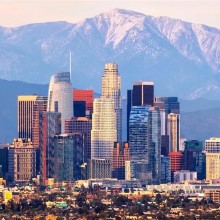
To better visualize what a 300-meter skyscraper looks like, a widely recognized reference is the US Bank Tower in Los Angeles, which stands at 310 meters. It has appeared in numerous movies, television series, and video games, including the Grand Theft Auto series.
The presence of more supertall skyscrapers can greatly enhance a city's skyline and leave a lasting impression on visitors.
Check out the city names shown in blue below to explore detailed pages of cities that have at least one supertall skyscraper either completed or currently under development:
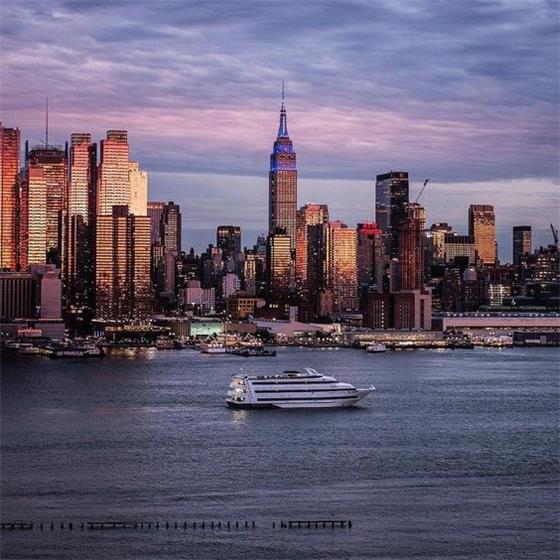
New York City
Dubai
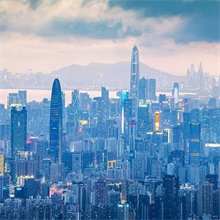
Shenzhen
Other Global Cities
Other Chinese Cities